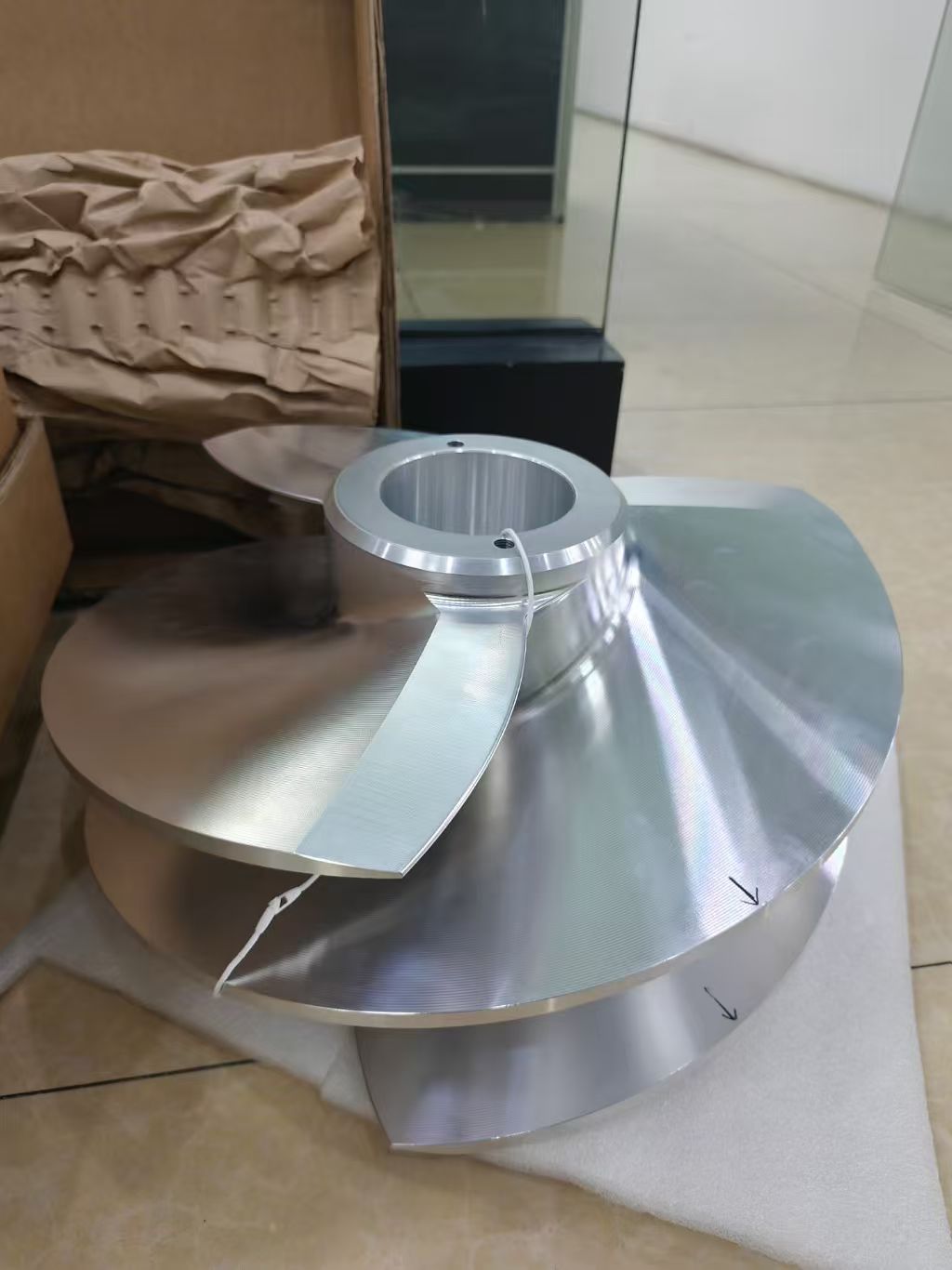
5-Axis CNC Machining
Curved surfaces and parts that would need several setups on a three-axis machine. Where the geometry allows, we finish them in one fixturing.
Why five axes change the setup
A fifth axis lets the tool approach a surface from more angles. That matters when features sit on several faces or when a surface has to flow continuously without a tool-mark break.
- Curved and contoured surfaces
- Features on multiple faces in one clamping
- Shorter setup chain for complex housings
- Better position relationships between features
Five-axis capability overview
Tell us the envelope and we will confirm the fit.
| Approach | Multi-axis milling, route chosen per part |
|---|---|
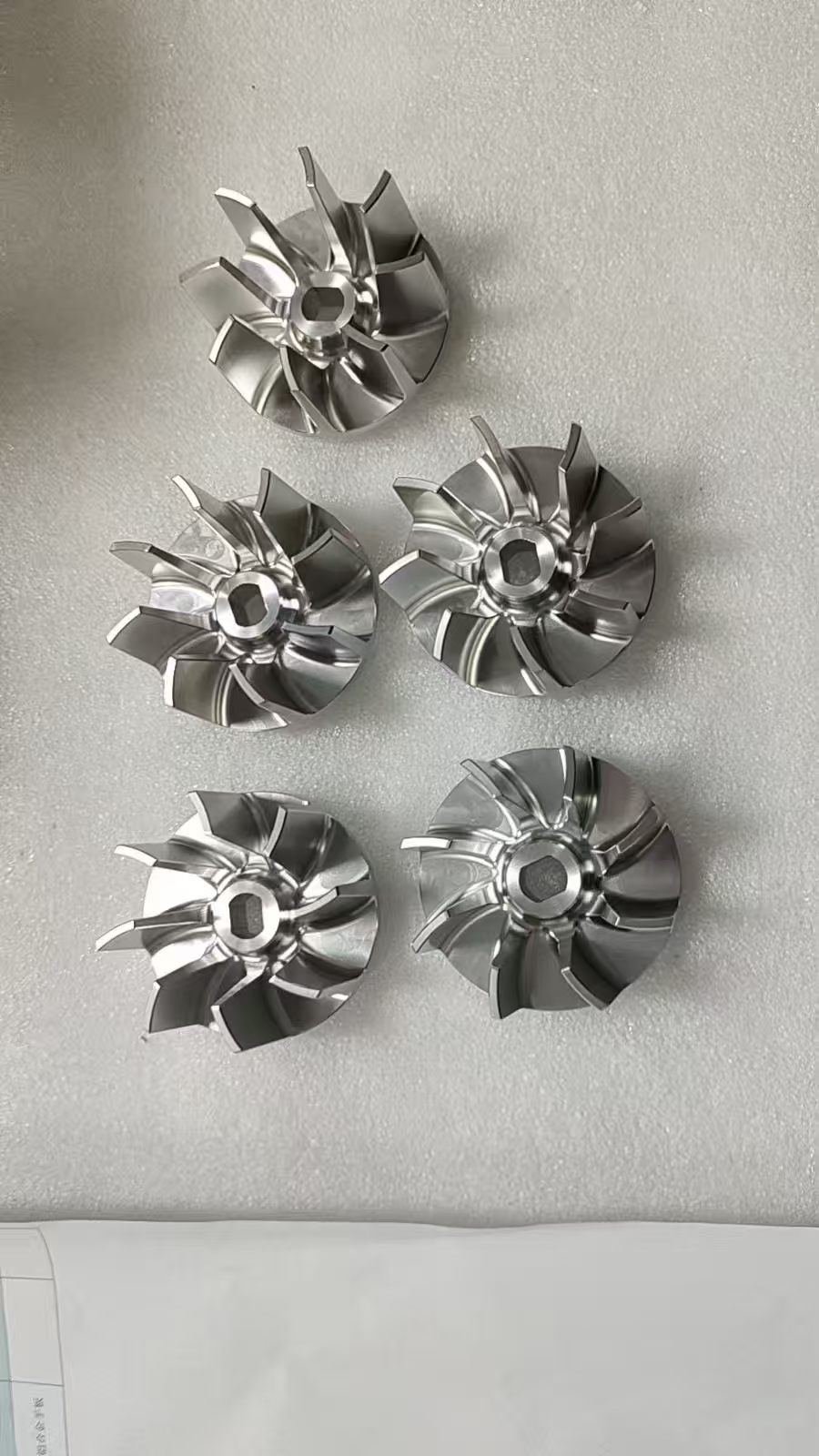
| Best for | Contours, impeller-like forms, multi-face parts |
| Inputs | STEP or IGES preferred for surface geometry |
| Tolerance | Agreed on critical features before quoting |
| Simpler parts | 3-axis milling is usually more economical |
Values are agreed against your drawing and material grade. Send the print and we will confirm what we can hold before quoting.
Multi-axis work
Tool paths and finished surfaces.
Five-axis questions
Is five-axis always better than three-axis?
No. Simple prismatic parts are usually faster and cheaper on a 3-axis machine. We will say so if that is the case for your part.
What file format do you prefer?
STEP or IGES keeps surface geometry intact. A PDF print is still useful for tolerances and notes.
Do you machine titanium or Inconel?
Tell us the grade on the enquiry. We confirm materials against what the shop can actually run before accepting the job.
Complex part to quote?
Send the model and the print. We will confirm whether five-axis is needed and what it will cost.